
Roofing to reroof: warning signs, materials and the job itself
The roof is the one project you can’t postpone once it fails. Plan it before it does.
What a roof replacement involves
A roof replacement strips the old covering to the deck, repairs any rotten sheathing, then lays new underlayment, flashing, ventilation and the finished roofing material. It is due when the existing roof reaches the end of its service life or leaks in more than one place, which for asphalt shingles comes decades before it does for slate.
Material is chosen first on roof pitch, on the weight the framing can carry, and on what the local code and any homeowners association allow. Looks come after, inside whatever room those three constraints leave.
Reroofing is also the one moment the attic ventilation and the ice-and-water barrier can be corrected without opening the roof a second time. Settle both before the crew orders material, because they change what goes on the deck.
Asphalt, metal, tile or slate: choosing a roofing material
| Material | Lifespan | Best for |
|---|---|---|
| Asphalt shingles | 15 – 30 years | The default, and for a reason: lowest entry cost, and every crew in the country installs it. The band runs from basic 3-tab at the bottom to architectural at the top, and so does the lifespan. |
| Wood shake | 25 – 40 years | Handsome and high-maintenance. Restricted or surcharged in wildfire country; check your code first. |
| Metal | 40 – 70 years | Priced here as standing seam, the concealed-fastener roof worth buying on a house you intend to keep. Exposed-fastener panel costs roughly a third less and is a different product with a shorter life. |
| Clay or concrete tile | 50 – 100 years | Heavy enough to need a structural check. Budget that inspection before you price the tile. Concrete sits at the bottom of the band and clay at the top. |
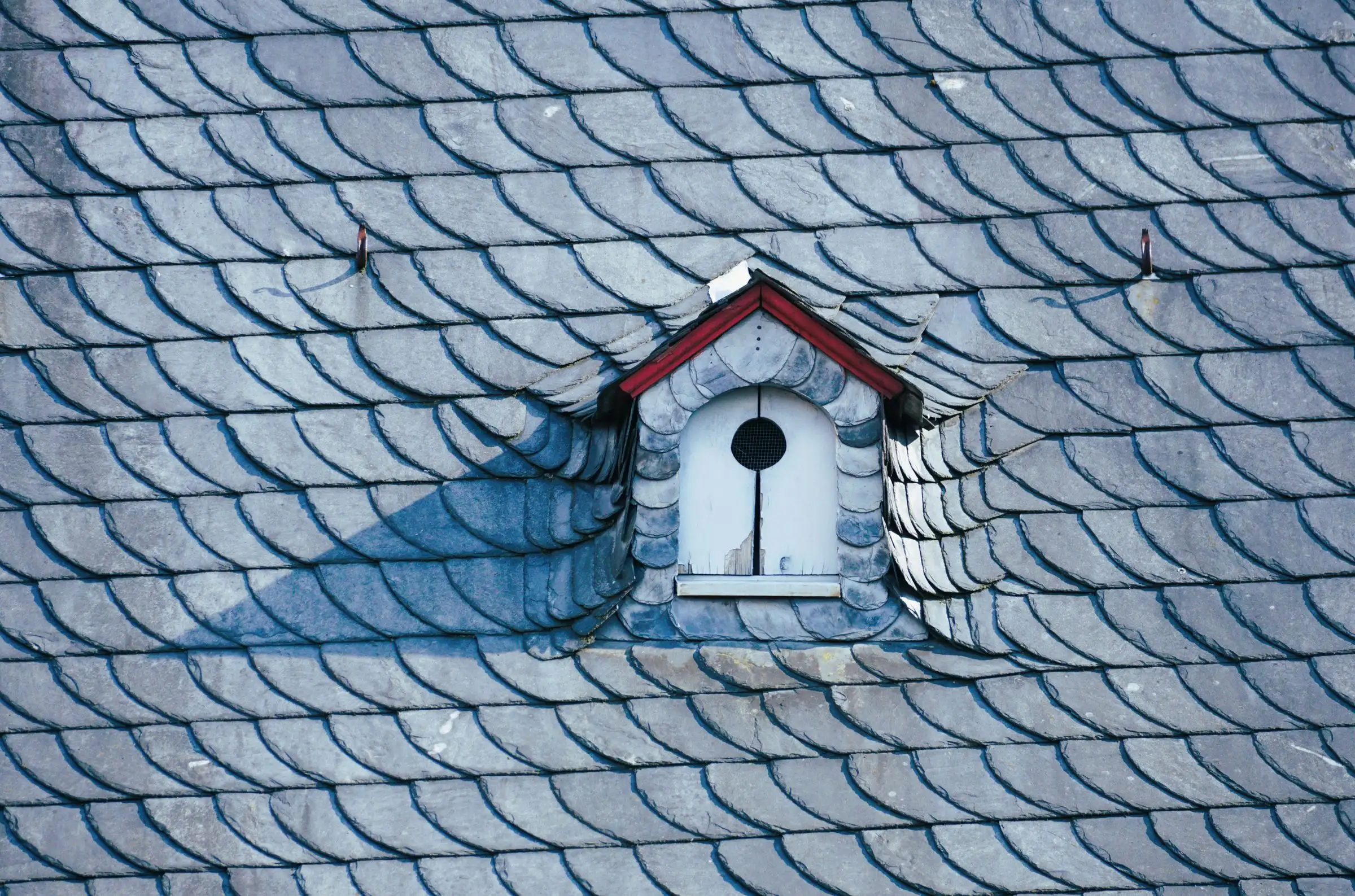
| Natural slate | 75 – 150 years | A hundred-year roof, installed by specialists. Repairs cost more too; plan on keeping spare stock. |
Lifespans assume a correct install and routine upkeep: clearing debris, replacing lost or cracked pieces, and checking the flashing after major storms. A neglected roof gives up a good share of those years.
Open the roof deck before you commit to a roofing material

Every roofing bid is three numbers wearing one price: what goes on the roof, who puts it there, and what has to come off first
Roof replacement cost guide and calculator
Roof replacement cost per square foot
The full national breakdown: by material, by roof size, materials vs. labor, and the add-ons that move a bid.
Read the guide- Cost by material
How much does a metal roof cost?
Metal priced on its own: by roof size, by panel type, and what it works out to per year of service. - Comparison
Metal vs. asphalt shingles
Twice the price, twice the lifespan? Where metal earns its premium and where shingles stay the smart buy. - Buying guide
Best roof sealants
Six sealants matched to the job they suit: flat roofs, shingle leaks, metal seams and the leak you have to stop today. - How-to
How to inspect a roof
A twenty-minute ground-and-attic inspection that tells you whether you need a repair or a replacement. - Quick answer
How long does a roof last?
Lifespan by material, the warning signs of the final years, and when repair stops making sense.
Warning signs, permits, timing: roof replacement questions
How do I know my roof needs replacing?
Curling or cracked shingles, bald patches where the granules have washed into the gutters, a sagging ridge line, daylight through the attic boards, and water stains on the ceiling after rain. Several of those together on an older roof point to replacement rather than repair.
Should I repair or replace my roof?
Age decides more than damage. An isolated leak on a roof under 15 years old is a repair. Widespread granule loss, curling across whole slopes, or leaks that return in new places mean the covering itself has worn out, and patches only push the date back a season or two.
Do I need a permit to replace a roof?
In most jurisdictions, yes, for a full replacement, and the permit brings an inspection of the deck, the flashing and the fastening. Historic districts and homeowners associations can also restrict the material and color. Ask who pulls the permit before you sign; it should be the contractor.
What are the steps of a roof replacement?
Permit, material delivery and dumpster, tear-off to the deck, replacement of rotten sheathing, drip edge and ice-and-water barrier at the eaves, underlayment across the field, flashing at walls, valleys and chimneys, the roofing itself, ridge venting, cleanup with a magnetic sweep, then the final inspection.
What is the best season for a roof replacement?
Dry weather with mild temperatures, which in most of the country means late spring through early fall. Asphalt shingles need warmth to seal their adhesive strips, and the deck sits open to the sky for part of the job. Crews fill their calendars early, so book before the busy months.
Can I put new shingles over the old ones?
Many codes allow one overlay layer, but it hides deck problems, adds weight, and shortens the new roof’s life. Most manufacturers and most of our guides treat overlay as a last resort.
Can I replace a roof myself?
Swapping a few blown-off shingles from a ladder is a reasonable DIY job. A full replacement means fall protection, tons of material carried up and down, and flashing details that decide whether the roof leaks. Most shingle makers also reserve their extended warranties for roofs installed by a contractor they have certified.
Once the material is settled, the calculator gives the order of magnitude for your own roof area; no phone number, no lead form.
Estimate your roof Before the first bid