HVAC costs, system types and planning guides
Sized to the house, not to the catalog. The tonnage on the quote matters more than the badge on the box.
What a new HVAC system costs
Replacing a full heating and cooling system runs $5,000 – $12,500 in most American homes, and the number moves on two things before any brand is chosen: how many tons the house actually needs, and whether the ductwork already there can carry them.
Equipment is sold by the ton, one ton being 12,000 BTU per hour of cooling. Most houses land between two and four. The right figure comes from a load calculation on the house, not from reading the label on the unit being replaced, which was very often oversized in the first place.
Every guide here works from that logic. The cost guide prices each system type per ton and scales it, then adds the lines that decide the real invoice: ductwork, electrical capacity, refrigerant lines and zoning. No estimate asks for your phone number.
What moves the price of an HVAC system
$5,000 $12,500
Central AC + furnace replacementEvery HVAC quote moves on:
- System type; cooling only against a full heat pump
- Tonnage, set by a load calculation rather than by the old unit
- Ductwork condition, and whether it can carry the airflow
- Electrical capacity, refrigerant lines and zoning
Figures on this page are indicative national brackets, not quotes. Your number depends on the size, complexity and condition of the job itself, and on what local crews are charging when you buy. Use them to judge a bid, not to replace one.
What each HVAC system type costs installed
| System | Installed cost per ton, equipment and labor | Lifespan | Who it suits |
|---|---|---|---|
| Central air conditioner | $1,200 – $2,800 | 12 – 18 years | Cooling only, tied into the furnace you already have. The cheapest way back to a working system when the heat still works. |
| Heat pump | $1,800 – $4,500 | 12 – 20 years | Heats and cools from one machine, and the only option that pays back on an electric bill. Cold-climate models now work well below freezing. |
| Furnace and AC | $2,200 – $5,000 | 15 – 20 years | The conventional pair: gas furnace for heat, separate condenser for cooling. Still the default where gas is cheap. |
| Ductless mini-split | $2,000 – $5,200 | 15 – 20 years | One outdoor unit feeding wall heads, no ducts at all. The answer for additions, converted attics and houses that never had ductwork. |
| Geothermal heat pump | $5,000 – $12,000 | 25 – 50 years | The ground loop outlives everything else on this list and costs what the drilling costs. A twenty-year decision, not a repair. |
Installed cost covers equipment and labor on a straightforward changeout using serviceable ductwork. New ducts, an electrical upgrade, a new line set and zoning are priced on top; the cost guide sets out what each one adds.
How Home Palais reads an HVAC quote
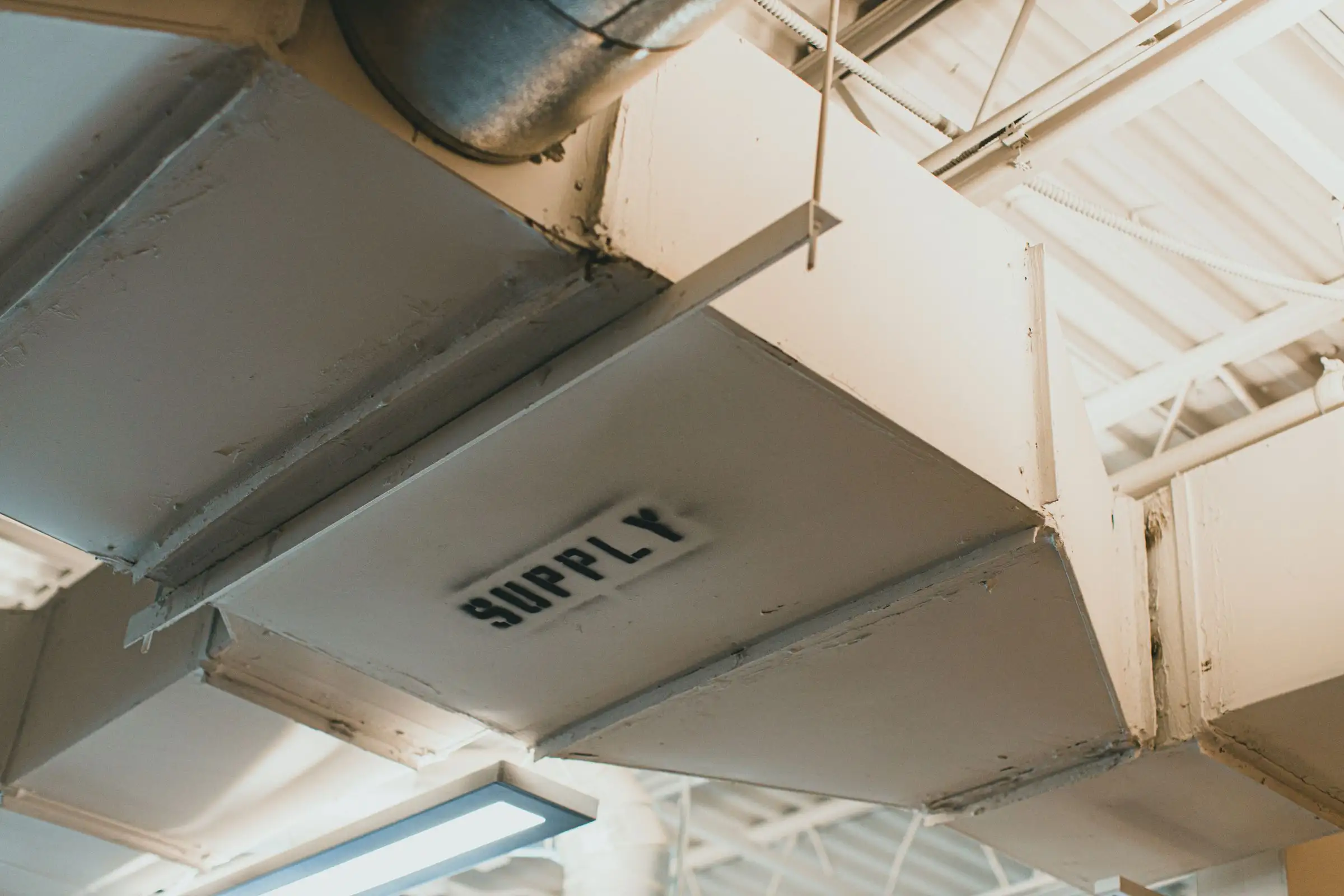
A system that is one ton too large costs more, runs shorter cycles, and leaves the house humid. Oversizing is the industry’s standard mistake, and it is written on the quote
HVAC questions, answered
How do contractors size a system?
With a load calculation, usually Manual J, which counts the house rather than its square footage: insulation, glazing, orientation, air sealing and local design temperatures. A quote written from the tonnage of the old unit is a guess wearing a number.
Is a heat pump worth it over a furnace and AC?
In most of the country now, yes. One machine heats and cools, running costs fall against resistance heat and often against gas, and cold-climate models hold capacity well below freezing. Where gas is very cheap, the conventional pair still wins on running cost.
Can I keep my existing ductwork?
Often, but it has to be measured rather than assumed. Ducts sized for an older, larger system may be fine; ducts that leak a third of their air into an attic are not, and no efficiency rating on the new equipment recovers that loss.
What SEER rating should I buy?
Enough to meet code, then as much as the payback justifies in your climate. In a hot region the jump from minimum to high efficiency pays back in years; in a mild one it may outlast the equipment. Ask the contractor to show the arithmetic for your bill.
How long does an HVAC system last?
Twelve to eighteen years for a condenser, fifteen to twenty for a furnace, and longer for a geothermal loop, which routinely outlives the equipment it feeds. Maintenance and correct sizing move those numbers more than brand does.
The calculator prices systems per ton on the same national data as every guide on this page; no phone number, no lead form.
Size it first Before the first quote