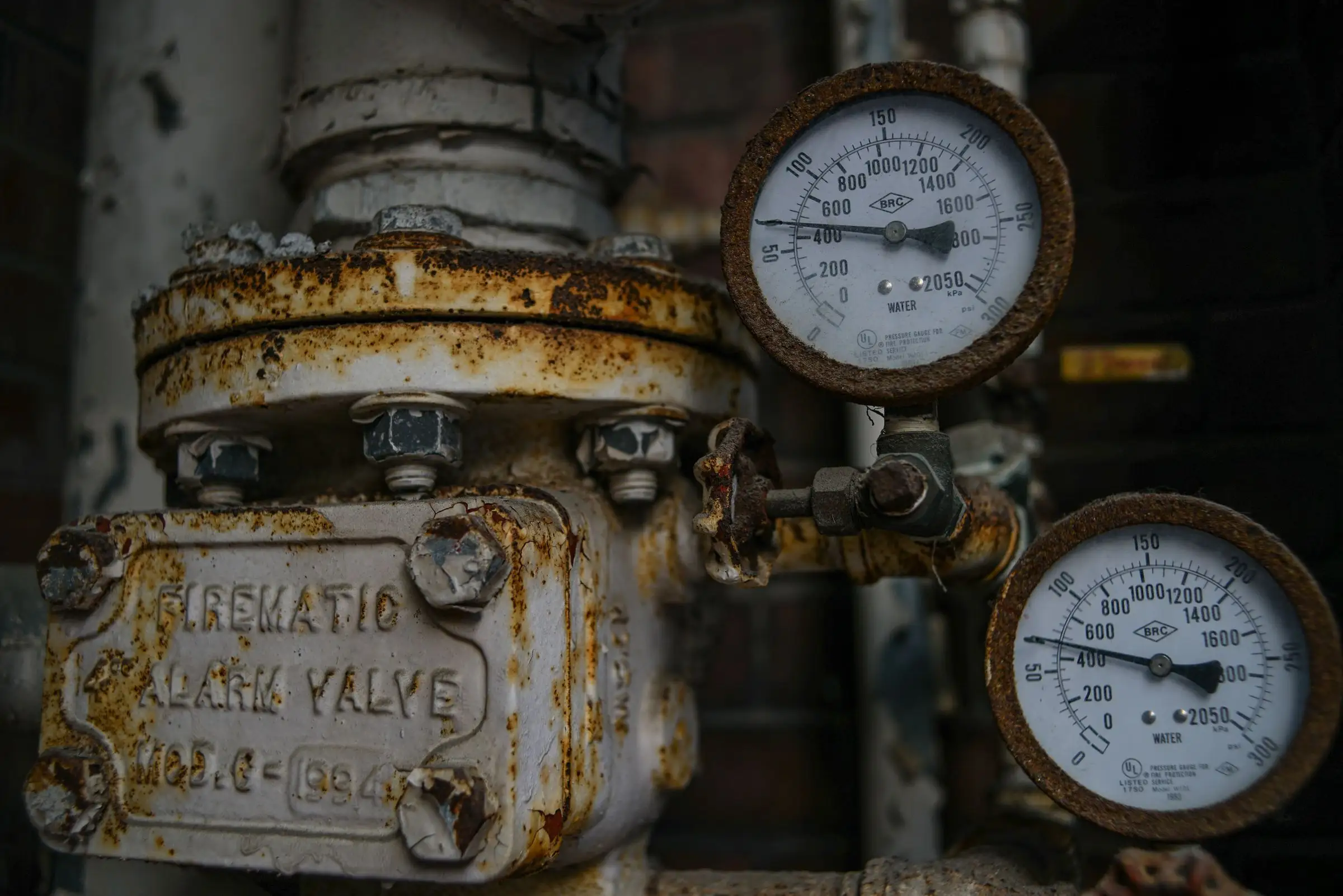
HVAC Replacement Cost by system type, tonnage and quality tier
Quoted as one number, built from a tonnage, a system type, and whatever the ductwork turns out to be.
What a new HVAC system costs
A full heating and cooling replacement runs $5,000 – $12,500 in most American homes, and the majority of those jobs are a conventional furnace and condenser sized between two and four tons. Heat pumps and geothermal cost more per ton and change what you pay to run them, which is the entire trade in one sentence.
Equipment is priced per ton of cooling capacity, one ton being 12,000 BTU per hour. A quote multiplies the tonnage the house needs by a rate that bundles equipment, refrigerant, labor and startup, then adds the lines below. That is why two quotes on the same house can differ by thousands: they are often sizing it differently.
This guide takes that number apart. It prices every common system type, scales it by tonnage, splits the bill into equipment and labor, and lists the surcharges that get added after the base. Read it in order and you will be able to tell whether a quote is high, low, or simply describing a different system.
Nothing here asks for your address or your phone number. When you want real quotes, the checklist near the bottom tells you what a serious one has to contain, starting with the load calculation.
What each HVAC system type costs installed
Installed cost per ton, covering equipment and labor on a straightforward changeout using serviceable ductwork. The total column prices each system at three tons, which is the middle of the American range.
| Material | Installed cost per ton, installed | Lifespan | On the worked example | Who it suits |
|---|---|---|---|---|
| Central air conditioner | $1,200 – $2,800 | 12 – 18 years | $3,600 – $8,400 | Cooling only, tied into the furnace you already have. The cheapest way back to a working system when the heat still works. |
| Heat pump | $1,800 – $4,500 | 12 – 20 years | $5,400 – $13,500 | Heats and cools from one machine, and the only option that pays back on an electric bill. Cold-climate models now work well below freezing. |
| Furnace and AC | $2,200 – $5,000 | 15 – 20 years | $6,600 – $15,000 | The conventional pair: gas furnace for heat, separate condenser for cooling. Still the default where gas is cheap. |
| Ductless mini-split | $2,000 – $5,200 | 15 – 20 years | $6,000 – $15,600 | One outdoor unit feeding wall heads, no ducts at all. The answer for additions, converted attics and houses that never had ductwork. |
| Geothermal heat pump | $5,000 – $12,000 | 25 – 50 years | $15,000 – $36,000 | The ground loop outlives everything else on this list and costs what the drilling costs. A twenty-year decision, not a repair. |
Cooling-only figures assume the existing heat source stays. Geothermal is priced against the ground loop it needs, which is why its band sits so far above the rest and why its lifespan does too.
How system tonnage changes the HVAC cost
The same mid-range furnace and AC, priced across the sizes most American houses fall into. Capacity scales close to linearly, which is exactly why buying a ton more "to be safe" costs money twice: once at installation and again on every short cycle after it.
| System size | Project cost mid-range furnace and ac |
|---|---|
| 2 tons | $5,800 – $8,600 |
| 2.5 tons | $7,300 – $10,800 |
| 3 tons | $8,700 – $12,900 |
| 4 tons | $11,600 – $17,200 |
| 5 tons | $14,500 – $21,500 |
Tonnage should come from a load calculation on your house, not from the label on the old unit. Systems installed before the last two code cycles were routinely oversized, and copying that number forward repeats the mistake.
Economy, mid-range and premium HVAC costs
The same furnace and AC at three levels of equipment and workmanship, at three tons. The bands overlap because real quotes do: a well-installed economy system outperforms a premium one that was never commissioned properly.
| Tier | Per unit | Project cost on 3 tons | What it buys |
|---|---|---|---|
| Economy | $2,200 – $3,180 | $6,600 – $9,500 | Builder-grade product, a crew working fast, and the simplest version of the job. Buys the function, not the finish. |
| Mid-range | $2,900 – $4,300 | $8,700 – $12,900 | What most homeowners actually sign. Mid-tier product from a named manufacturer, a licensed crew, and a warranty worth reading. |
| Premium | $3,880 – $5,000 | $11,600 – $15,000 | Top of the product line, specialist installers, and the detailing that decides how the job looks in year fifteen. |
What the tier buys is efficiency rating, staging and the quality of the install. A two-stage or variable-speed system holds temperature and removes humidity far better than a single-stage unit, and none of that matters if the airflow was never measured at startup.
HVAC equipment versus installation labor
On a 3-ton furnace and AC replacement, $8,700 – $12,900 before add-ons, the bill divides like this.
- Materials $5,200 – $7,700
- 60% of the bid The condenser, the air handler or furnace, the coil, the refrigerant, the thermostat and the pad it all sits on.
- Labor and overhead $3,500 – $5,200
- 40% of the bid Removing and disposing of the old system, setting and connecting the new one, brazing and evacuating the lines, wiring, the permit, and commissioning it so the airflow matches the design.
The line that separates a good install from a cheap one is commissioning: measuring static pressure and airflow, weighing in the refrigerant charge, and documenting both. It costs hours, it is invisible on the invoice, and it decides whether the efficiency rating you paid for ever shows up.
What gets added to an HVAC quote
These are the line items that turn a per-ton rate into a final invoice. Each is shown as a share of the base cost and in dollars on the worked example, because a percentage on its own is easy to wave through.
| Line item | Surcharge share of the base cost | On the example | What it covers |
|---|---|---|---|
| Ductwork repair or replacement | +15% – 40% | $1,300 – $5,200 | Leaky, undersized or asbestos-wrapped ducts. The largest line on this list, and the one that decides whether a right-sized system actually performs. |
| Electrical service upgrade | +5% – 20% | $450 – $2,600 | A heat pump or a larger condenser can outgrow an old panel. Priced by an electrician, not by the HVAC crew. |
| New refrigerant line set | +3% – 10% | $250 – $1,300 | Modern refrigerants are not compatible with every old line. Reusing one to save this line is how a new system fails early. |
| Zoning and controls | +10% – 30% | $850 – $3,900 | Dampers, thermostats and a control board so the upstairs stops cooking while the downstairs freezes. |
| Attic or crawl space install | +5% – 15% | $450 – $1,900 | Equipment that has to be carried into a space nobody can stand up in. Hours, not parts. |
| Removal and disposal | +2% – 5% | $150 – $650 | Pulling the old equipment, recovering its refrigerant as the EPA requires, and hauling it away. |
| Permits and inspection | +2% – 6% | $150 – $750 | Required for a replacement in most jurisdictions. It is also what forces a load calculation to exist on paper. |
Ductwork is the one to settle before signing. A system sized correctly and connected to ducts that cannot carry the air will underperform its rating for its entire life, and no amount of equipment quality compensates.
How location affects HVAC replacement cost
Climate weighs as much as labor on this job: the same house needs more capacity in the upper Midwest than on the Gulf.
| Region | Multiplier | Project cost on the worked example | Why it moves |
|---|---|---|---|
| Northeast | 1.10× – 1.25× | $9,600 – $16,100 | Highest labor rates in the country, older housing stock, and snow-load requirements that add material. |
| West | 1.05× – 1.30× | $9,100 – $16,800 | Wide internal spread. Coastal metros price like the Northeast; the interior sits near the national middle. |
| Midwest | 0.92× – 1.05× | $8,000 – $13,500 | Closest to the national number. Deep contractor supply keeps competitive pressure on quotes. |
| South | 0.85× – 1.00× | $7,400 – $12,900 | Lowest labor cost, but storm exposure raises material specification and insurance-driven demand spikes. |
Equipment ships at one national price. Sizing is the regional variable that matters, and it comes from a load calculation rather than a multiplier.
How to read an HVAC quote
A quote written without a load calculation is not comparable to anything. Here is what to check before you sign one.
Red flags
Walk away from an HVAC quote if
- No load calculation was done, and the tonnage matches the old unit because it matches the old unit.
- The quote names a price but not the model numbers of the condenser, the air handler and the coil.
- The ductwork was never inspected, or was inspected from the hallway.
- The refrigerant line set is being reused with no mention of flushing or compatibility.
- Nobody mentions commissioning, static pressure or measured airflow.
- The permit is described as optional. It is what forces an inspection to happen.
- The price falls by thousands the moment you hesitate. A rate that negotiable was never a measured rate.
Questions
Ask every HVAC contractor
- What does the load calculation say my house needs, and can I see it?
- Which exact models, and is the coil matched to the condenser by the manufacturer?
- What condition is my ductwork in, and what did you measure to know?
- Are you replacing the line set, and if not, why is the existing one suitable?
- What efficiency rating am I buying, and what does it save on my bill in this climate?
- How will you commission the system, and will I get the measurements in writing?
- What does the labor warranty cover, for how long, and who honors it?
What homeowners ask about HVAC replacement cost
Why do HVAC quotes vary so much on the same house?
Because they rarely quote the same system. Different tonnage, different efficiency ratings, matched or unmatched coils, and different assumptions about ductwork all move the number. Compare the model numbers and the scope before comparing totals.
Should I replace the furnace and the AC together?
If both are near the end, yes. The coil and the condenser are designed as a matched pair, and replacing one against a much older other usually costs efficiency and complicates the warranty. If one is young, replacing it alone is defensible.
Is it cheaper to replace in the off-season?
Usually. Spring and fall are the slow weeks between the heating and cooling emergencies, and scheduling then gives you room to negotiate. An emergency changeout in the first heat wave is the most expensive way to buy a system.
What does new ductwork add?
Typically 15 to 40 percent of the base cost, which makes it the largest surcharge on the list. It is also the one most likely to be worth paying: a correctly sized system on undersized ducts never delivers what it was sold as.
Do heat pump rebates and tax credits change the maths?
Substantially, in many cases. Federal credits and utility rebates can take thousands off a qualifying heat pump, which frequently closes the gap against a conventional pair. Confirm eligibility for the exact model before you sign, not after.
Can I finance an HVAC replacement?
Yes, and most contractors offer it, often at promotional rates from the manufacturer. Compare that rate against a home equity line before accepting, and check whether the quoted price assumes financing rather than cash.
Figures on this page are indicative national brackets, not quotes. Your number depends on the size, complexity and condition of the job itself, and on what local crews are charging when you buy. Use them to judge a bid, not to replace one.
Cost data
- PickHVAC, AC prices and installed cost by tonnage (opens in a new tab) Checked August 11, 2026
- Carrier, How much does a heat pump cost? (opens in a new tab) Checked August 11, 2026
- Angi, How much does HVAC replacement cost? (opens in a new tab) Checked August 11, 2026
- CBS News, How much does a new HVAC system really cost? (opens in a new tab) Checked August 11, 2026
Projects that pair with a new HVAC system

The calculator prices systems per ton on the same national data as every table on this page; no phone number, no lead form.
Price it by the ton Before the first quote