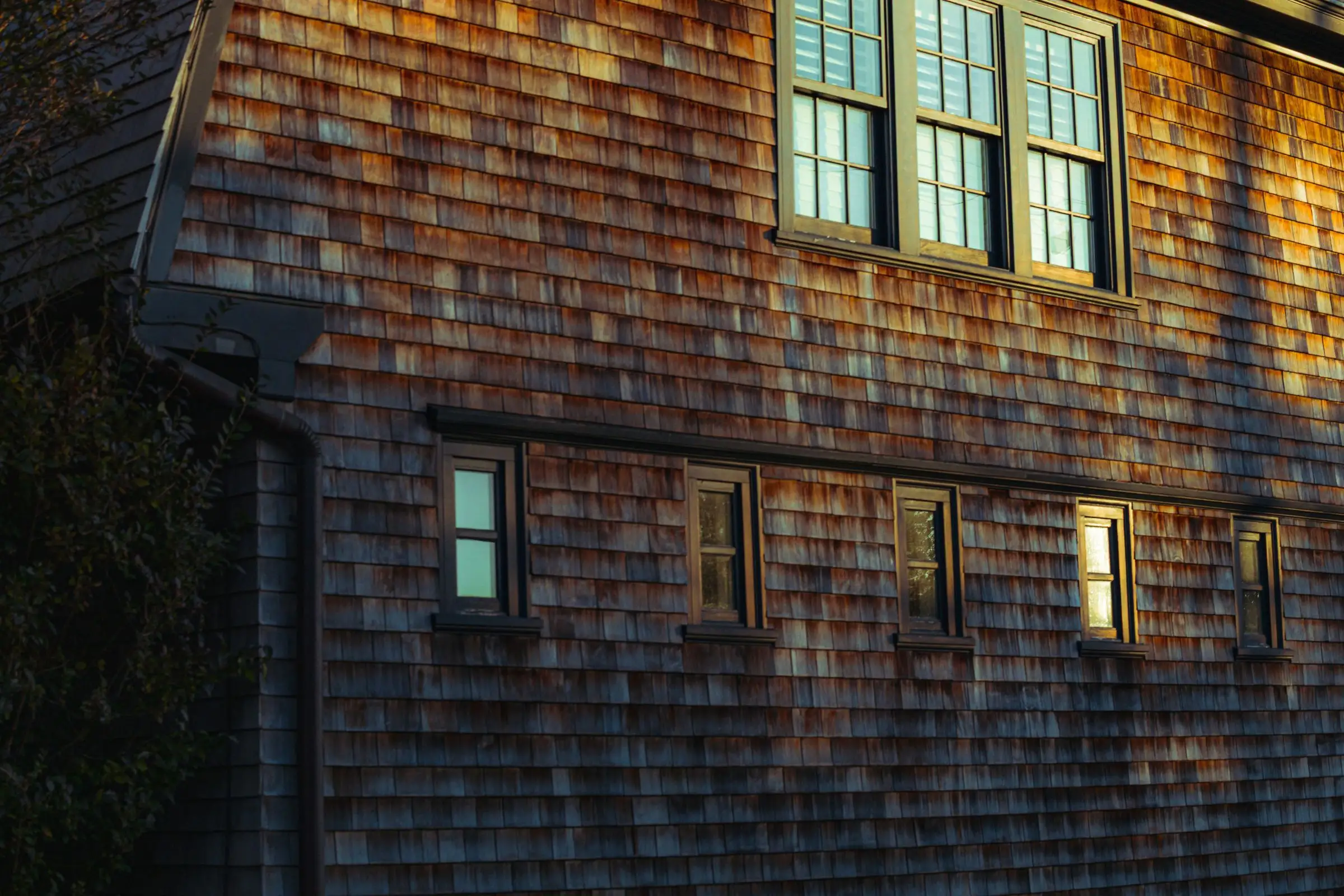
Siding costs, materials and planning guides
The largest surface on the house, priced by the square foot, and the one place a cheap decision shows from the street.
What new siding costs
Residing a house runs $7,000 – $28,000, and the spread comes from two things: the material, which ranges from vinyl to brick across a factor of five, and what the crew finds once the old siding is off.
Siding is priced by the square foot of wall area, which is not the floor area of the house. A two-story 2,000 sq. ft. home usually carries 1,500 to 2,000 sq. ft. of facade once the windows and doors are deducted, and a bid that never states that number is not a bid you can compare.
Every guide here works from the same logic. The cost guide prices each material per square foot, scales it, and then lists what gets added: tear-off, rot repair, house wrap, insulation and trim. No estimate here asks for your phone number.
What moves the price of siding
$7,000 $28,000
Whole-house sidingEvery siding bid moves on:
- Material; vinyl to brick veneer is a fivefold spread
- Wall area, and how many stories it climbs
- Tear-off, and whatever rot is found behind it
- Trim, corners and the detailing around every opening
Figures on this page are indicative national brackets, not quotes. Your number depends on the size, complexity and condition of the job itself, and on what local crews are charging when you buy. Use them to judge a bid, not to replace one.
What each siding material costs installed
| Material | Installed cost per sq. ft. of wall, installed | Lifespan | Who it suits |
|---|---|---|---|
| Vinyl | $3 – $12 | 20 – 40 years | The default American siding. Cheap to buy, fast to hang, and it never needs paint because it cannot take any. |
| Engineered wood | $3 – $12 | 20 – 50 years | Wood strands and resin, sold as LP SmartSide and its rivals. Looks like wood, weighs less than fiber cement, and has to stay painted. |
| Cedar and wood | $4.70 – $7.50 | 20 – 40 years | The real thing, and a standing maintenance commitment. Stop painting or staining it and the clock runs fast. |
| Fiber cement | $6 – $18 | 30 – 50 years | James Hardie and its equivalents. Heavy, slow to hang, fire-resistant, and the closest thing to a permanent skin on this list. |
| Stucco | $9.30 – $16.90 | 40 – 80 years | A rendered wall rather than a hung one, and mostly a labor cost. Cracks are normal; water behind it is not, and that is a drainage detail. |
| Brick veneer | $9 – $28 | 75 – 100 years | A masonry skin on a framed wall. The most expensive per square foot and the last one you will ever buy for that house. |
Installed cost covers material and labor on a straightforward two-story wall. Tear-off, sheathing repair, house wrap, added insulation and trim detailing are priced on top; the cost guide sets out what each one adds.
How Home Palais reads a siding bid
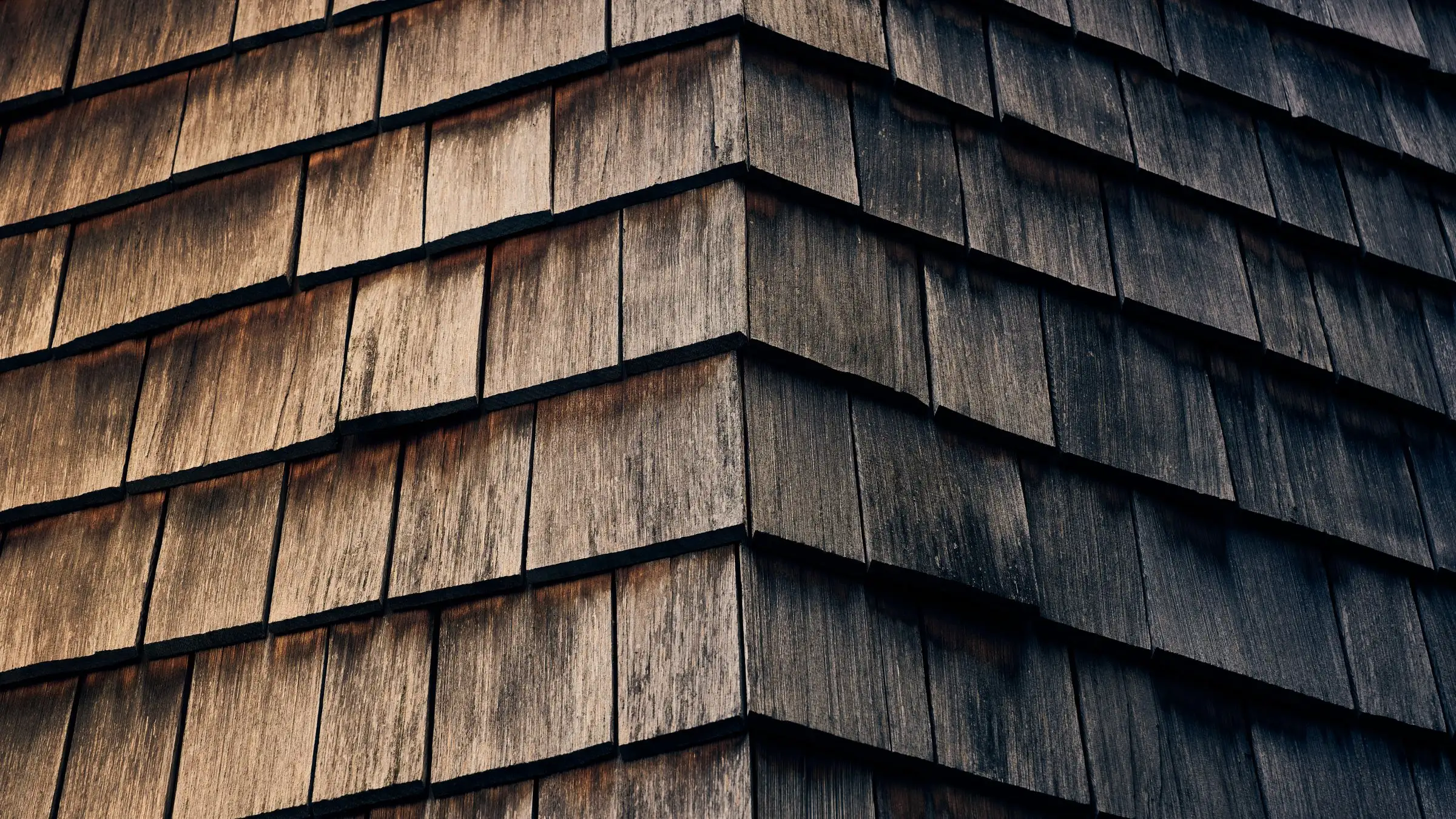
Siding is the only part of a house where the layer nobody sees, the drainage plane behind it, decides how long the layer everybody sees will last
Siding questions, answered
How is siding priced?
By the square foot of wall area, with openings deducted. A bid multiplies that area by a rate covering material and labor, then adds line items for tear-off, wrap, trim and any repair found once the wall is open.
Vinyl or fiber cement?
Vinyl if the budget rules and the house is straightforward; fiber cement if you intend to keep the house for decades. Fiber cement costs more to buy and considerably more to hang, because it is heavy, and it lasts roughly twice as long.
Can new siding go over the old?
Vinyl sometimes can, and it is usually a mistake. Layering hides rot, traps moisture against the sheathing, and removes the one opportunity to see the wall and add insulation while it is open.
Does new siding add home value?
It is consistently among the better-returning exterior projects at resale, because it is the first thing a buyer sees and the easiest to price down when it is failing. Treat the return as avoiding a deduction rather than as profit.
How long does siding last?
Twenty to forty years for vinyl and wood, thirty to fifty for fiber cement and engineered wood, and far longer for stucco and brick. What ends most of them is water getting behind the wall, not the material wearing out.
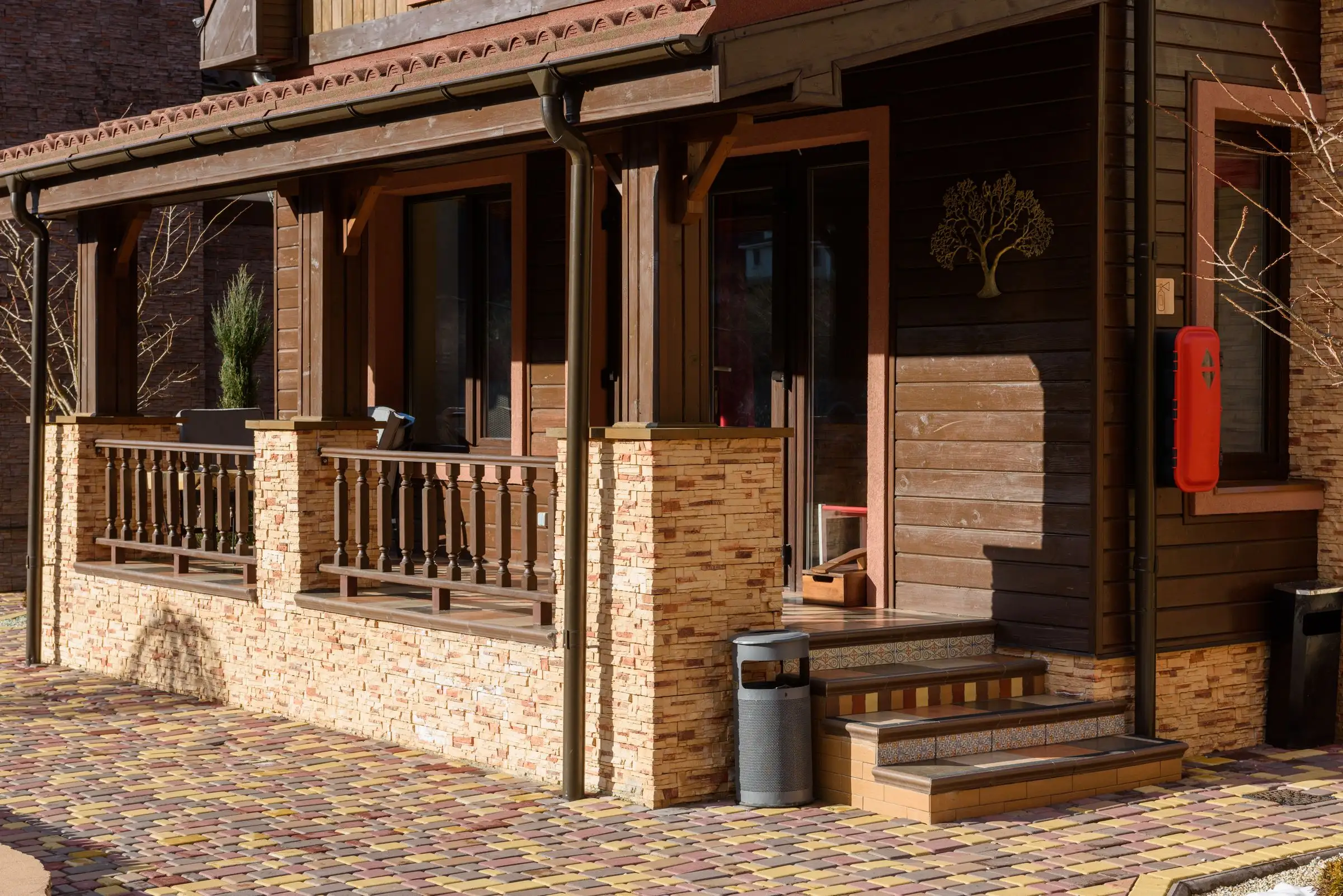
The calculator prices siding per square foot of wall on the same national data as every guide on this page; no phone number, no lead form.
Measure the wall Before the first bid