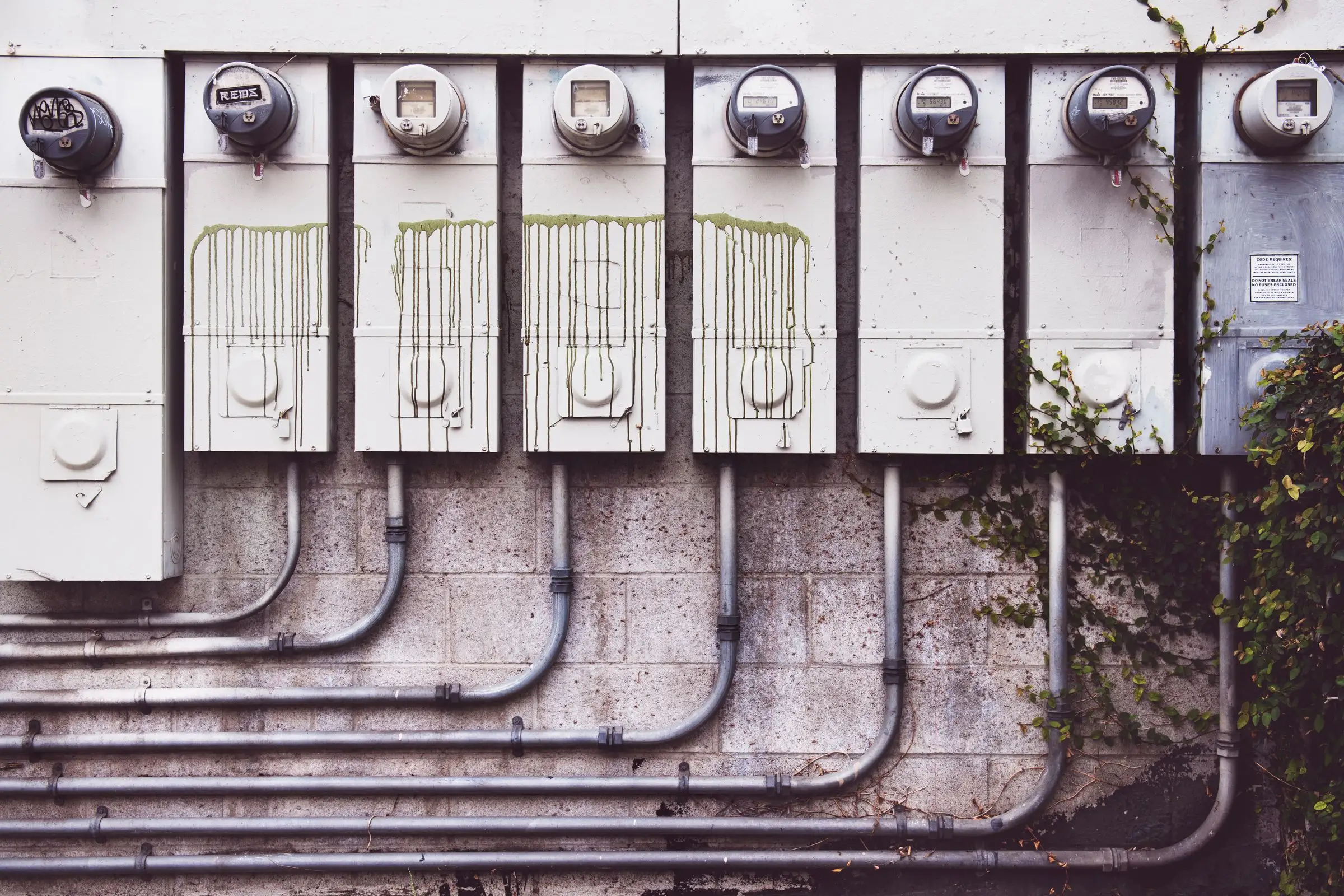
Electrical rewiring scopes, old wiring, panels and permits
Licensed, permitted, and planned around how much wall has to come off to reach the wire.
When a house needs rewiring, and what the work involves
A house needs rewiring when its wiring can no longer carry the load safely or meet code: knob-and-tube or aluminum branch circuits, two-prong outlets with no ground, breakers that trip under normal use, or a panel that runs warm. Done properly, new wiring lasts forty to seventy years.
Rewiring comes in scopes rather than one size. A partial rewire replaces the kitchen, bathroom and failing circuits and leaves the rest; a full rewire replaces every circuit back to a new panel; knob-and-tube and aluminum remediation are full rewires driven by a specific old system.
The electrician pulls the permit, maps every circuit, then opens walls and ceilings room by room to run new cable, keeping part of the house powered as each section is finished. Rough-in is inspected before the walls close and again at final, and drywall repair follows as a separate trade.
Partial, full, aluminum or knob-and-tube: rewiring scopes
| Scope | Lifespan | Best for |
|---|---|---|
| Partial rewire | 40 – 70 years | Kitchen, baths and the circuits that actually fail code, left in walls that mostly stay closed. The pragmatic scope on a house that is otherwise sound. |
| Full rewire | 50 – 70 years | Every circuit replaced back to a new panel. The house is opened room by room, which is why the drywall trade follows the electrician everywhere. |
| Aluminum branch remediation | 50 – 70 years | The 1960s and 1970s problem. Either every branch circuit is replaced, or every connection is pigtailed with an approved connector, and insurers care which. |
| Knob-and-tube replacement | 50 – 70 years | Pre-war wiring with no ground, often buried under insulation that should never have covered it. The most expensive rewire because the demolition is the job. |
Lifespans describe the new copper cable inside the walls. Devices, breakers and the panel wear out sooner and are replaced on their own schedule.
Permit the rewire before the walls close
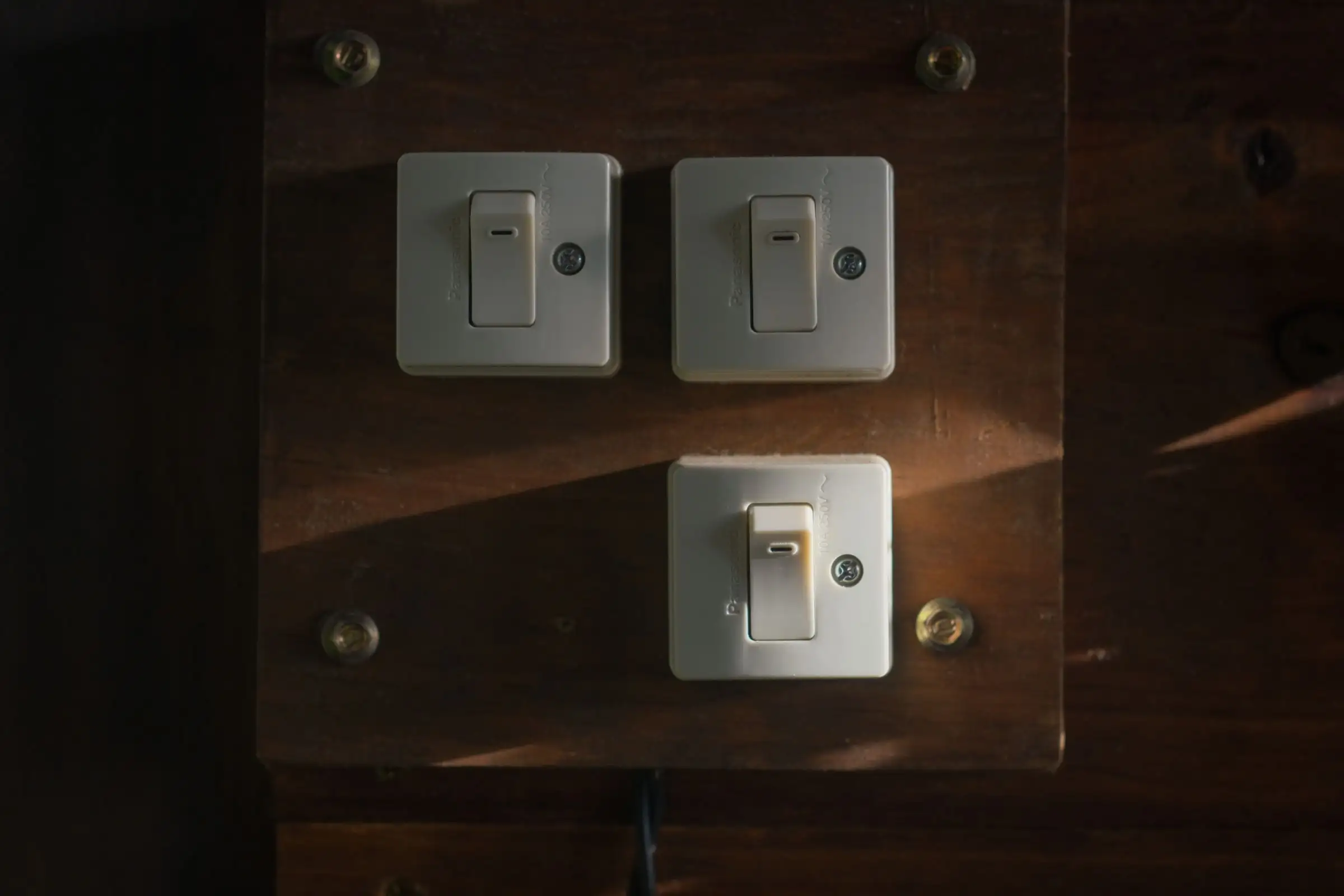
Every circuit ends somewhere nobody will ever look again. The permit and the inspection are the only independent check that what is in there is safe
Old wiring, panels and permits: house rewiring questions
What are the signs a house needs rewiring?
Breakers that trip or fuses that blow under ordinary use, lights that dim when an appliance starts, outlets or switch plates that feel warm, a burning smell, two-prong outlets throughout, and visible cloth-covered or knob-and-tube wiring in the attic or basement. Any one of them calls for an electrician’s inspection.
Is knob-and-tube wiring safe?
The original wire is not the main hazard. A century of additions, the absence of a ground, and insulation blown over conductors designed to cool in open air are. Many insurers now refuse to cover a house that still has live knob-and-tube circuits.
What should I do about aluminum branch wiring?
Houses wired in the 1960s and 1970s may have it, and its connections loosen as the metal expands and contracts. The two accepted fixes are replacing the branch circuits or pigtailing every connection with approved connectors, and insurers ask which was done.
When does a house need a 200 amp panel?
When a 100 amp service has to carry new load: an EV charger, a heat pump, an induction range or an electric water heater. An electrician’s load calculation settles it, and the upgrade is easiest to coordinate while the house is already being rewired.
Can a house be rewired in stages?
Yes, by circuit rather than by room, starting with the kitchen and bathrooms where the load and the code requirements are heaviest. The house runs on two systems until the last stage, so keep the circuit map current.
How long does it take to rewire a house?
About one to two weeks of electrical work on a typical house, followed by drywall repair and paint. Power is restored circuit by circuit, so most families stay in the house with partial service.
Can I rewire a house myself?
Some states allow homeowners to pull a permit for their own house, but a whole-house rewire still has to pass rough-in and final inspection, and insurers and buyers look for a licensed electrician’s name on the permit. It is not a first electrical project.
How do I choose an electrician for a rewire?
Confirm a state or local license and insurance, and ask who pulls the permit. A serious bid names the scope circuit by circuit, the panel, the code-required protection and who repairs the drywall.
The calculator prices rewiring per square foot on the same national data as every guide on this page; no phone number, no lead form.
Price the scope Before the first quote