How Long Do Windows Last? lifespan by frame material, and what ends them
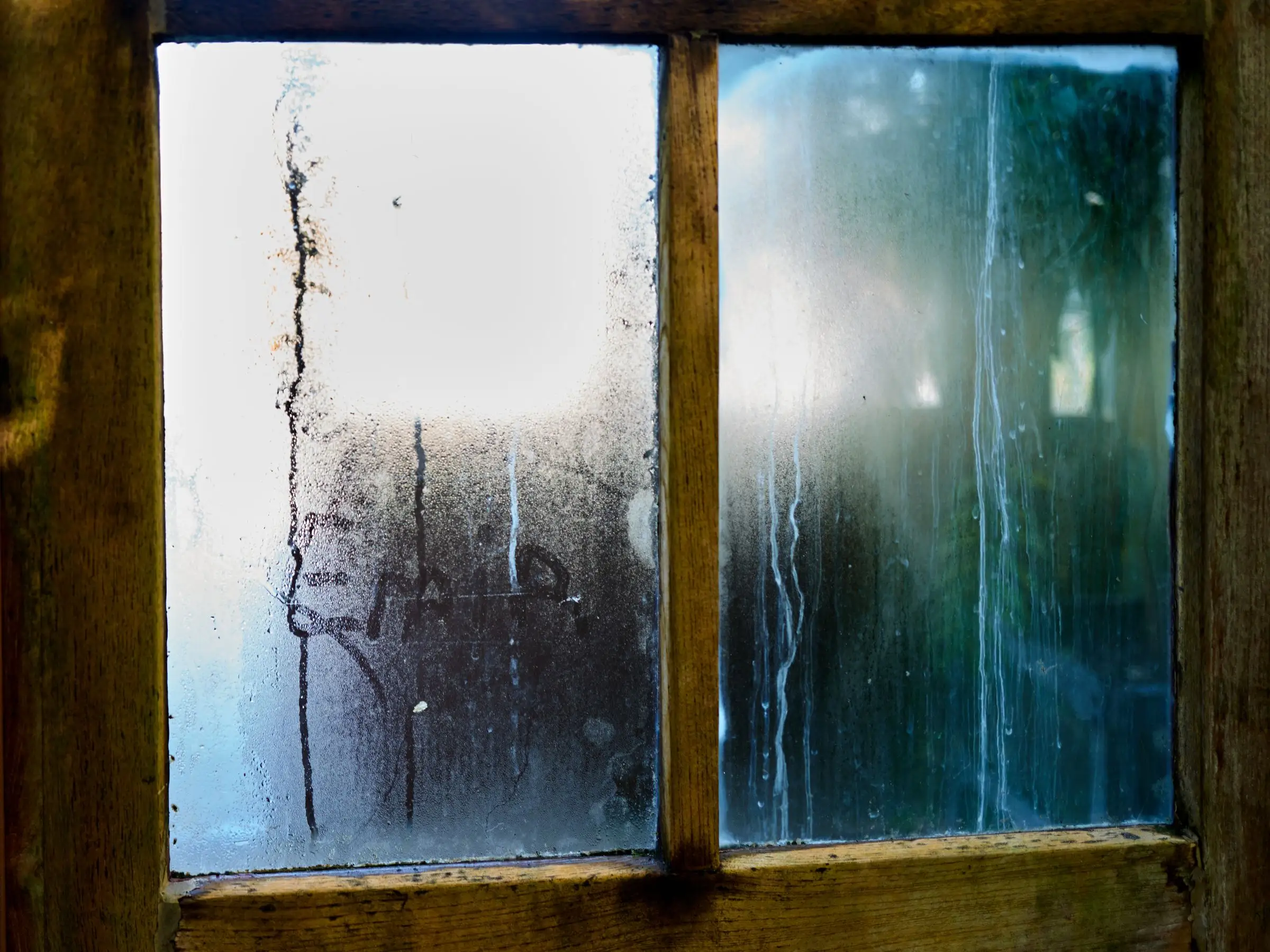
Almost no window dies of a broken frame. It dies of a seal you cannot see, in a pane that fogs and never clears again.
How long windows last
A vinyl window, which is what sits in most American walls, lasts 20 – 30 years. Fiberglass, clad wood and maintained solid wood all run longer, and in every case it is the insulated glass unit rather than the frame that decides when the window is finished.
That is the fact the category is sold against. Two panes of glass are held apart by a spacer and sealed at the edge, with argon or plain air between them. The seal is a strip of polymer doing a chemical job in a joint that expands and contracts every single day of its life, and eventually it lets go. Moisture gets between the panes, the window fogs from the inside, and no amount of cleaning touches it.
Which is why frame material matters more than it looks. Vinyl expands and contracts much more than the glass it holds, and every cycle works that seal. Fiberglass moves at almost the same rate as glass and works it far less. The rest of this page is about what else shortens a window, what the last years look like, and when replacing a pane beats replacing a window.
How long each window frame material lasts
Expected service life for a normally installed window, with what the same ten openings work out to per year of service so the long-lived frames can be judged on more than their price tag.
| Material | Lifespan | Cost per year installed, over its life | What ends it |
|---|---|---|---|
| Aluminum | 20 – 25 years | $288 – $505 | The thermal break, and condensation. Metal conducts, so the frame sweats in winter and the water sits where the glass meets the frame until something corrodes. |
| Vinyl Most common | 20 – 30 years | $270 – $570 | The glass seal. Vinyl moves far more than glass through every temperature cycle, and that differential is what eventually breaks the edge seal open. |
| Wood | 30 – 60 years | $158 – $550 | Rot, and only if you let it. A repainted wood window outlives everything here; one that goes three winters with bare timber at the sill is finished. |
| Clad wood | 30 – 50 years | $286 – $693 | Water trapped behind the cladding. The exterior skin needs nowhere for moisture to sit; where the flashing is wrong, the wood rots invisibly from behind. |
| Fiberglass | 30 – 50 years | $220 – $533 | Usually the hardware and the finish. The frame and the seal both outlast the balances, the locks and the paint, all of which can be replaced. |
Cost per year is installed cost divided by service life, on ten openings in mid-range product. It is a useful comparison and a poor budget: you pay the whole figure in one week and collect the difference over decades, which only counts if you keep the house.
What actually sets a window’s lifespan
Very little of the variance comes from the brand. It comes from where the window faces, how it was fitted, and whether water and vapour have anywhere to go.
- Sun exposure. A south or west-facing elevation takes the most UV and the largest daily temperature swing, and its windows almost always fog first. One side of a house routinely fails a decade before the other.
- Installation. A window shimmed out of square binds, and a binding sash works its own seals and hardware every time it opens. It is invisible once the trim is on and permanent until the unit comes back out.
- Flashing and drainage. Every window frame has weep holes and a drainage path. Painted over, caulked shut or omitted, water sits in the frame instead of leaving it.
- Indoor humidity. Condensation on the room side of the glass is not a failed window, it is too much moisture in the house, and left alone it rots sills and stains frames on windows that are otherwise fine.
- Insert over a bad frame. Fitting a new unit inside an existing rotten frame seals the problem into the wall. The new window is dated by the old frame it sits in.
Signs a window is in its final years
These are all visible from inside the room on an ordinary day. None of them mean the window fails next week; together they mean you should be budgeting rather than caulking.
- Fog, haze or a visible watermark between the panes that does not wipe off from either side. That is a failed seal, and it is the definitive one.
- A draught you can feel with the window locked, particularly at the meeting rail of a double-hung.
- A sash that will not stay up, will not lock without force, or has to be lifted while it is turned. Balances and hardware fail long before the glass.
- Soft or dark timber at the sill and the lower frame corners, on any window with wood in it.
- Daylight visible at the frame edge, or trim that has pulled away from the wall.
- Condensation between the glass and the frame rather than on the glass, which usually means the drainage path is blocked.
Reglaze or replace an aging window?
This is the fork most homeowners are never offered, because replacing the whole window is a much larger sale. A fogged pane in a sound frame is often a glass job rather than a window job, at a fraction of the cost.
Reglaze
Replacing the glass unit makes sense if
- The frame is square, sound and operating properly, and only the glass has fogged.
- A small number of windows are affected rather than the whole house.
- The unit size is standard enough that a glazier can source or make a replacement.
- The window is otherwise less than two thirds of the way through its expected life.
Replace
Replace the window instead if
- Most of the house is at the same age and the same failures are appearing across it.
- The frame is rotten, out of square, or the sashes bind however they are adjusted.
- The windows are single-glazed, and comfort rather than repair is the actual goal.
- Hardware is obsolete and no balance, lock or weatherstrip is still made for it.
What homeowners ask about window age
How do I find out how old my windows are?
Most units carry a stamp in the spacer between the panes or an etched code in a corner of the glass, and both usually decode to a manufacturing date. Failing that, check the permit record, the seller disclosure, or the home inspection report from your purchase.
Does a fogged window mean it has to be replaced?
No. It means the insulated glass unit has failed, and on most windows that unit can be replaced while the frame and sash stay in the wall. Ask a glazier before you ask a window company, because the two sell different answers to the same question.
Do windows really last 20 to 30 years?
The frames often last far longer than that; the glass seals usually do not. A twenty-five year old vinyl window with clear glass and working hardware is fine and should be left alone. The number describes when replacement typically becomes worth doing, not when the window stops working.
Is condensation on the inside a sign of failure?
Usually the opposite. Moisture on the room side of the glass means the house is humid and the glass is the coldest surface in the room, which is normal in winter. It becomes a problem when it runs and sits, because that rots the sill. Fix the humidity, not the window.
Does a warranty mean the windows last that long?
No, and the distinction matters. A twenty-year glass warranty covers seal failure under stated conditions, is often prorated, and frequently ends when the house is sold. Ask what is covered, for how long, at what proportion, and whether it transfers.
Should I replace all the windows at once?
If they are the same age and the same failures are starting, usually yes: one mobilization, one crew, one negotiation, and a better price per opening. If only the sunny elevation has gone, replacing that elevation is a legitimate answer and buys years before the rest.
Lifespans on this page are indicative national ranges, and the cost figures are brackets rather than quotes. Only an inspection of the thing itself can tell you where yours sits in its own band.