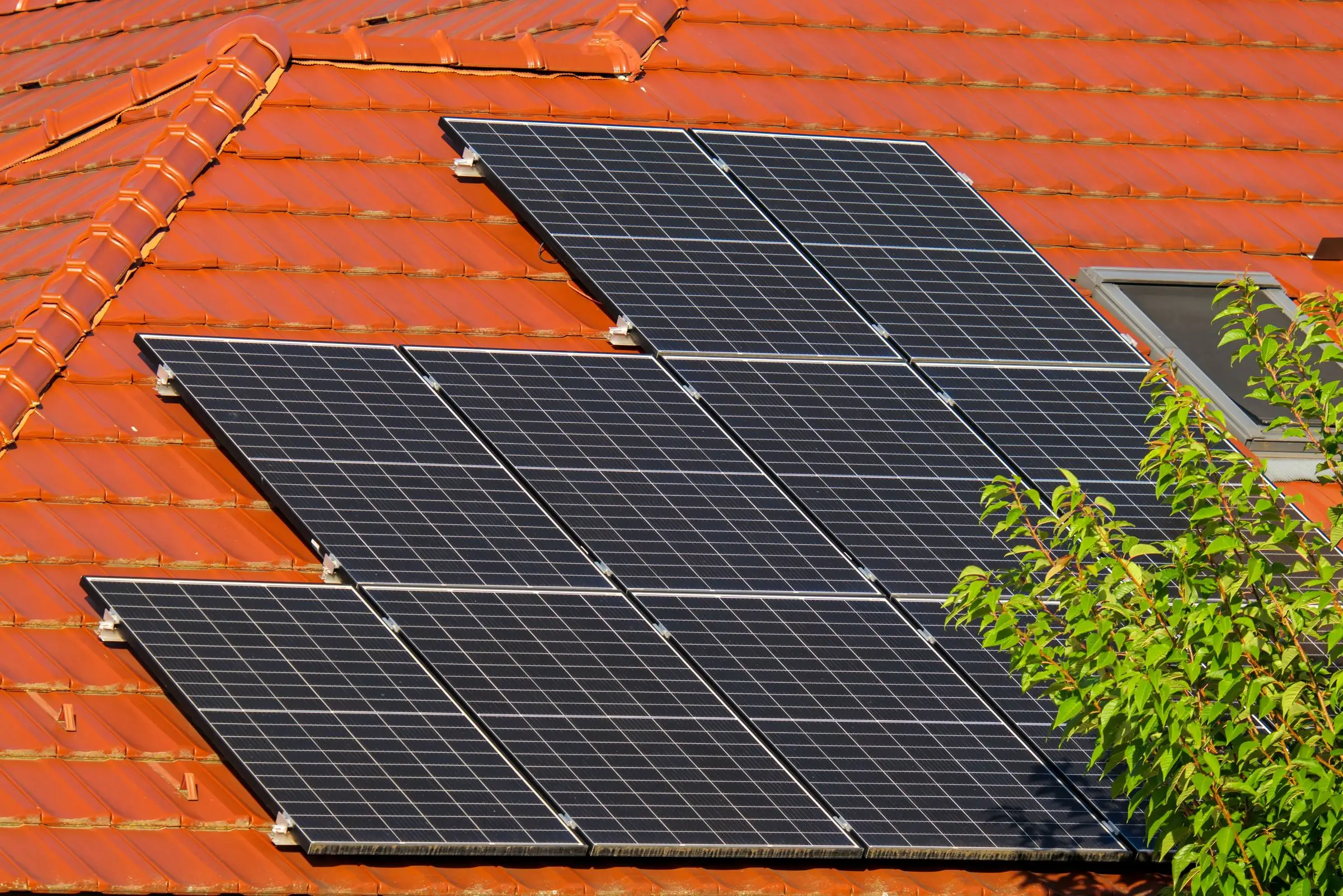
Residential Solar Cost per watt, by panel type and system size
Every figure on this page is before incentives, because the federal credit that used to follow ended with 2025.
What solar costs before incentives
A residential system runs $12,000 – $30,000 before incentives, and most of those installations are standard monocrystalline panels on an existing roof. The federal residential credit that took 30 percent off ended for systems placed in service after 31 December 2025, so that is now the number you actually pay.
Solar is quoted per watt of installed capacity, and that is the only figure that compares two proposals honestly. A quote presented as a monthly payment is a financing product with panels attached; ask for the price per watt before incentives and the total system size in watts, and every proposal becomes comparable.
This guide takes that number apart. It prices each panel type per watt, scales it across the system sizes most American homes install, splits the bill into hardware and installation, and lists what a battery, a panel upgrade or a roof replacement adds on top.
Nothing here asks for your address or your phone number. State and utility incentives still exist and vary enormously, so this page prices the job and leaves the local arithmetic to your own utility bill.
What each solar system type costs installed
Installed cost per watt before incentives, covering panels, inverters, racking, wiring and labor. The total column prices each type at 8 kW, which is around the middle of the American range.
| Material | Installed cost per watt, installed | Lifespan | On the worked example | Who it suits |
|---|---|---|---|---|
| Thin film | $1 – $1.50 | 10 – 20 years | $8,000 – $12,000 | Cheapest per watt and the least efficient per square foot. It earns its place on outbuildings and RVs, rarely on a house roof. |
| Monocrystalline, standard | $2.30 – $3.60 | 25 – 30 years | $18,400 – $28,800 | What almost every residential system is made of. Enough efficiency to fill a normal roof with a normal number of panels. |
| Monocrystalline, premium | $3 – $4.50 | 25 – 40 years | $24,000 – $36,000 | More watts from the same roof, and a longer warranty behind them. Worth it when the roof runs out before the demand does. |
| Ground-mounted array | $3 – $5 | 25 – 35 years | $24,000 – $40,000 | Racking, footings and a trench instead of a roof. Costs more per watt and lets you point the panels where the sun actually is. |
| Solar shingles | $5 – $8 | 25 – 30 years | $40,000 – $64,000 | A roof and an array in one product, at roughly double the price per watt. Buy it for the look, or when a review board forbids panels. |
Efficiency decides how much of this you can actually buy. A premium panel produces more watts from the same roof area, which matters when the roof runs out before the electricity bill does.
How system size in kilowatts changes the solar cost
The same standard monocrystalline system, priced across the sizes most American homes install. Cost per watt falls slightly as systems grow, because the fixed costs of design, permitting and mobilisation spread further.
| System size | Project cost mid-range monocrystalline, standard |
|---|---|
| 4 kW | $10,500 – $13,100 |
| 6 kW | $15,800 – $19,700 |
| 8 kW | $21,000 – $26,200 |
| 10 kW | $26,300 – $32,800 |
| 12 kW | $31,500 – $39,300 |
Size the system from twelve months of your own consumption. Generation beyond what you use is exported, and what an exported kilowatt-hour earns depends entirely on your utility’s net metering rules.
Economy, mid-range and premium solar costs
The same standard panels at three levels of hardware and workmanship, at 8 kW. The bands overlap because real proposals do: the inverter, the racking and the workmanship warranty move the price as much as the panel does.
| Tier | Per unit | Project cost on 8 kW | What it buys |
|---|---|---|---|
| Economy | $2.30 – $2.76 | $18,400 – $22,000 | Builder-grade product, a crew working fast, and the simplest version of the job. Buys the function, not the finish. |
| Mid-range | $2.63 – $3.28 | $21,000 – $26,200 | What most homeowners actually sign. Mid-tier product from a named manufacturer, a licensed crew, and a warranty worth reading. |
| Premium | $3.08 – $3.60 | $24,600 – $28,800 | Top of the product line, specialist installers, and the detailing that decides how the job looks in year fifteen. |
What the tier buys is inverter architecture and warranty. String inverters cost least and drag a whole string down when one panel is shaded; microinverters and optimisers cost more and isolate the problem. Both should carry a warranty measured in decades.
Solar hardware versus installation labor
On an 8 kW system in standard monocrystalline panels, $21,000 – $26,200 before add-ons, the bill divides like this.
- Materials $11,600 – $14,400
- 55% of the bid Panels, inverters or microinverters, racking, wiring, disconnects and the monitoring hardware.
- Labor and overhead $9,400 – $11,800
- 45% of the bid Site survey and design, structural check, permitting, the utility interconnection application, installation, and the inspection before the system is allowed to switch on.
The soft costs, design, permitting and interconnection, are a larger share of a residential system than most homeowners expect, and they are the part that does not fall when panel prices do.
What gets added to a solar proposal
These are the line items that turn a per-watt rate into a final invoice. Each is shown as a share of the base cost and in dollars on the worked example, because a percentage on its own is easy to wave through.
| Line item | Surcharge share of the base cost | On the example | What it covers |
|---|---|---|---|
| Battery storage | +40% – 100% | $8,400 – $26,200 | A home battery roughly doubles a straightforward system. It buys backup and self-consumption, not extra generation. |
| Main panel or service upgrade | +5% – 20% | $1,100 – $5,200 | An older service cannot always accept a backfeed breaker. Quoted by an electrician and discovered at design, not at install. |
| Roof repair or replacement first | +10% – 40% | $2,100 – $10,500 | Panels last 25 years and a worn roof does not. Removing and re-setting an array later costs more than doing the roof now. |
| Complex or steep roof | +5% – 15% | $1,100 – $3,900 | Multiple planes, dormers and steep pitch mean more racking, more penetrations and slower work per panel. |
| Shading mitigation | +2% – 10% | $400 – $2,600 | Microinverters or optimisers so one shaded panel stops dragging its whole string, plus any tree work. |
| Permits and interconnection | +3% – 10% | $650 – $2,600 | Building permit, utility interconnection application and the inspection that lets the system be switched on. |
The battery is the line to think hardest about. It roughly doubles a straightforward system and generates nothing: it stores what the panels already made. Buy it for backup power or because your utility pays badly for exports, not because it was in the proposal.
How location affects solar installation cost
Solar labor and permitting are local, and the same array costs different amounts to get approved across the country. These are indicative multipliers on the national figure, not local quotes.
| Region | Multiplier | Project cost on the worked example | Why it moves |
|---|---|---|---|
| Northeast | 1.10× – 1.25× | $23,100 – $32,800 | Highest labor rates in the country, older housing stock, and snow-load requirements that add material. |
| West | 1.05× – 1.30× | $22,100 – $34,100 | Wide internal spread. Coastal metros price like the Northeast; the interior sits near the national middle. |
| Midwest | 0.92× – 1.05× | $19,300 – $27,500 | Closest to the national number. Deep contractor supply keeps competitive pressure on quotes. |
| South | 0.85× – 1.00× | $17,900 – $26,200 | Lowest labor cost, but storm exposure raises material specification and insurance-driven demand spikes. |
Location also decides the return, far more than it decides the price: sunshine hours, utility rates and net metering rules vary more between two states than installation costs do. This table prices the job, not the payback.
How to read a solar proposal
Solar is the trade where the sales process is furthest from the installation. These two lists separate a proposal worth comparing from one designed not to be.
Red flags
Walk away from a solar proposal if
- The proposal leads with a monthly payment and never states the price per watt.
- It still nets out a 30 percent federal credit for a system that will be placed in service in 2026.
- Production estimates are given with no shading analysis of your actual roof.
- The escalator clause in a lease or power purchase agreement is not spelled out in percent per year.
- The roof is described as fine without anyone measuring its remaining life.
- The salesperson cannot say who performs the installation or who holds the workmanship warranty.
- The offer expires today. Nothing about interconnection paperwork moves that fast.
Questions
Ask every solar installer
- What is the price per watt before incentives, and what is the system size in watts?
- Which panels and which inverters, and what does each warranty cover and for how long?
- What annual production do you estimate, and from what shading data?
- What does my utility pay for exported power, and under which tariff?
- Does my electrical service need upgrading, and is that in this price?
- How long is the roof under the array expected to last?
- Who handles permitting and interconnection, and what happens if approval is refused?
What homeowners ask about solar cost
Is the 30 percent federal credit really gone?
For homeowner-owned systems, yes. Section 25D applied to systems placed in service through 31 December 2025 and was not extended. Any quote that still subtracts it from a 2026 installation is quoting a discount that will not arrive at tax time.
What is a good price per watt?
Compare against the national band on this page rather than against a target. What matters more is that the figure is quoted before incentives, on a stated system size, with the panel and inverter models named, so two proposals describe the same thing.
How long is the payback now?
Longer than it was through 2025, and it depends on your utility more than on the hardware. The calculation is your annual bill offset against the installed cost after any state or utility incentive, and it is worth doing with your own bills rather than a national average.
Does solar add home value?
Owned systems generally do; leased ones frequently complicate a sale, because the buyer has to assume the agreement. If you may sell within a few years, that difference matters more than the price per watt.
What maintenance does an array need?
Very little. Panels have no moving parts, and rain handles most cleaning. Budget for one inverter replacement inside the system’s life, monitor production so a fault shows up in weeks rather than years, and keep the array clear of overhanging growth.
Are cheap panels a false economy?
Not always, but cheap installation is. Panel degradation rates differ modestly between tiers; a poorly flashed roof penetration or an undersized inverter costs far more than the saving. Judge the installer before judging the panel brand.
Figures on this page are indicative national brackets, not quotes. Your number depends on the size, complexity and condition of the job itself, and on what local crews are charging when you buy. Use them to judge a bid, not to replace one.
Cost data
- EcoFlow, How much do solar panels cost? (opens in a new tab) Checked August 11, 2026
- EnergySage, Solar panel cost (opens in a new tab) Checked August 11, 2026
- Solar.com, 2026 solar panel costs (opens in a new tab) Checked August 11, 2026
- Fixr, Solar panel installation cost (opens in a new tab) Checked August 11, 2026
- ConsumerAffairs, How much do solar panels cost? (opens in a new tab) Checked August 11, 2026
Projects that pair with a solar array
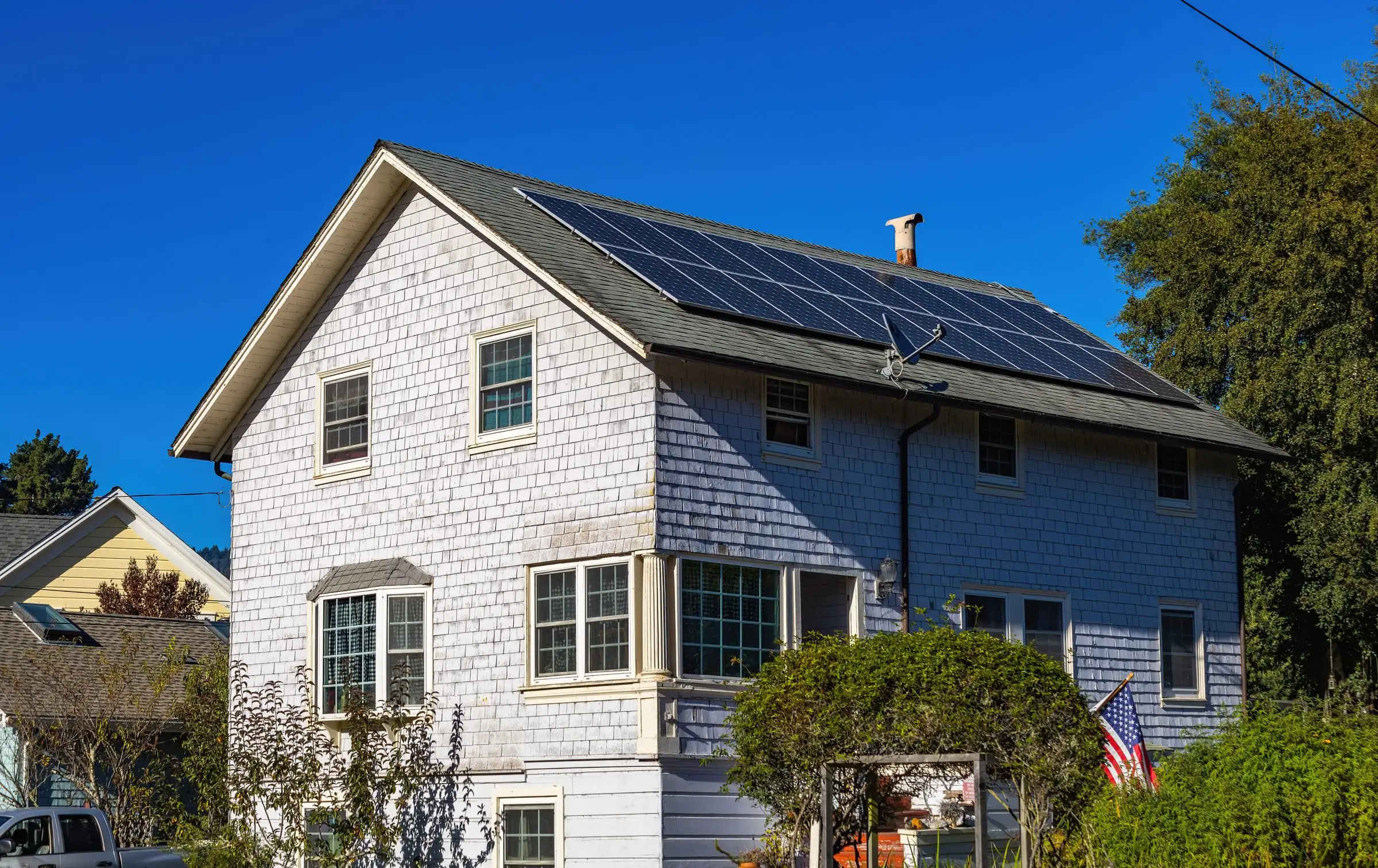
The calculator prices systems per watt on the same national data as every table on this page; no phone number, no lead form.
Price it per watt Before the first proposal